









Got multiple cats at home? The challenges add up quickly
- Constant scooping, often multiple times a day, just to keep shared litter boxes usable.
- Lingering odors that return soon after cleaning.
- Competition over litter box access, sometimes resulting in accidents outside the box.
- Overlooked health risks, as dirty boxes promote bacteria and make early signs of urinary or digestive issues easy to miss.
If this sounds familiar, you're not alone. Traditional litter boxes, even oversized ones, have clear limits in multi-cat homes. Automatic litter boxes offer a more practical way to reduce daily maintenance, ease tension between cats, and support better hygiene. Below, we'll walk through how to choose the right automatic litter box for a multi-cat household.
Common Litter Box Challenges in Multi-Cat Homes
Cats are naturally territorial, highly sensitive to cleanliness, and easily affected by stress. In multi-cat households, these traits often combine to create ongoing litter box challenges that are easy to underestimate:
Territorial Disputes
Cats instinctively treat the litter box as part of their personal territory. In homes with multiple cats, this instinct often becomes more pronounced and can lead to access-related stress.
- In multi-cat households, 1–2 dominant cats often act as "litter box guards," blocking access for skittish felines.
- When a litter box feels "guarded," less assertive cats may avoid using it altogether.
- According to Dr. Wendy Brooks, DVM, DABVP, this avoidance behavior frequently results in inappropriate elimination elsewhere in the home, such as beds or couches—especially in cats experiencing ongoing stress.
Health Risks from Infrequent Cleaning
Shared litter boxes that are not cleaned frequently enough can quickly become unhygienic, increasing health risks—particularly in multi-cat environments.
- A clinical study published in the Journal of the American Veterinary Medical Association by Kruger JM et al. (1991) found that cats using shared, infrequently cleaned litter boxes had a 63% higher risk of developing urinary tract infections (UTIs).
- Ongoing exposure to dirty litter can contribute to chronic stress, which may weaken immune response and exacerbate skin or digestive sensitivities, according to Veterinary Partner.
- Urine retention (from avoiding soiled boxes) can lead to kidney damage in severe cases.
The Blindness of Health Monitoring
In multi-cat homes, shared litter boxes create a significant blind spot in daily health monitoring.
- It becomes extremely difficult to identify which cat is experiencing changes such as reduced urine output, abnormal stool, blood in waste, or straining.
- These subtle litter box behaviors are often the earliest indicators of urinary, digestive, or metabolic issues.
- When symptoms cannot be linked to a specific cat, intervention is commonly delayed—allowing minor issues to progress unnoticed.
Traditional Litter Box Solutions: What Works and What Falls Short
To manage these challenges, many multi-cat households rely on conventional litter box strategies. While some approaches offer partial relief, each comes with practical limitations.
The "N+1" Rule (Multiple Litter Boxes)
The "N+1" rule is one of the most widely recommended strategies for multi-cat homes. The idea is straightforward: provide one litter box per cat, plus one extra—for example, three boxes for two cats.
Pros:
- Helps reduce competition by giving cats more options and alternative access points.
- Allows litter boxes to be placed in separate, neutral locations rather than clustered together.
- Accommodates individual preferences, such as covered versus open boxes or different litter depths.
- Aligns with guidance on distributing key environmental resources for cats, as outlined by veterinary behavior research and publications in the Journal of Feline Medicine and Surgery.
Cons:
- Space limitations make it impractical in smaller apartments or homes with limited floor space.
- Cleaning demands increase significantly, with multiple boxes requiring daily scooping and frequent full litter changes.
- Odor control becomes harder as the number of boxes increases, especially in enclosed spaces.
Large Litter Boxes: When Size Makes a Difference
Extra-large litter boxes are another common solution for households with more than one cat, especially when space limits the number of boxes that can be placed.
Benefits:
- Provides more room for cats to turn, dig, and posture comfortably, which is particularly helpful for larger breeds.
- Higher sides help contain scattered litter and reduce mess around the box.
- Can sometimes serve multiple cats at different times, reducing the total number of boxes needed.
Limitations:
- A larger box does not eliminate territorial behavior and may still become a contested resource.
- Manual scooping remains essential, requiring consistent daily cleaning to maintain hygiene.
- Odor buildup can still occur quickly when multiple cats share a single box.
Automatic Litter Boxes for Multi-Cat Homes: How They Solve Real-World Problems
How Self-Cleaning Litter Boxes Work
These devices use smart mechanisms to keep litter fresh, no manual scooping required:
- Sensors detect when a cat finishes using the box.
- After a preset waiting period (avoids startling cats), the cleaning cycle kicks in.
- Detect & Sift: A rake or sifter moves through the litter to separate waste.
- Separate & Store: Waste clumps are deposited into a sealed, odor-trapping drawer or bag.
- Reset & Level: Remaining clean litter is smoothed for the next use.
The result? A consistently fresh litter surface for every cat.
Benefits for Multi-Cat Households
Cleaner Litter Reduces Conflict and Stress
- A freshly cleaned litter surface reduces competition triggered by dirty or avoided boxes.
- Cats are more likely to use the box consistently, which helps prevent stress-related accidents around the home.
- Cleaner conditions limit bacterial buildup, helping reduce the risk of urinary tract infections (UTIs) and supporting better urinary and digestive health in shared litter environments.
Less Daily Maintenance with More Effective Odor Control
- Automatic cleaning removes the need for constant scooping, significantly reducing daily maintenance when multiple cats share one box.
- Sealed waste compartments help contain odors at the source, keeping indoor air fresher throughout the day.
- With odors better contained, owners rely less on deodorizing sprays and frequent full litter changes.
How to Choose the Right Automatic Litter Box for a Multi-Cat Home
Choosing the right self-cleaning litter box for a multi-cat household comes down to a few non-negotiable considerations. These factors help balance your cats' comfort and safety with your day-to-day practicality as an owner.
Capacity: Enough Space for Every Cat
- Choose a model rated for at least one more cat than you have. For example, a 2-cat model works for one cat, and a 3-cat model works for two cats.
- Make sure the interior is large enough for your biggest cat to stand, turn, and dig comfortably.
Noise & Movement: Gentle Enough for Sensitive Cats
- Automatic litter boxes introduce sounds and motion that can stress timid cats.
- Look for quiet models with noise levels around 45 dB, similar to a soft fan.
- Place the unit away from sleeping, feeding, or resting areas to reduce anxiety during operation.
Odor Control: Keep Smells Contained
- A tightly sealed waste bin prevents odors from escaping.
- Built-in odor neutralizers reduce ammonia and other unpleasant smells for extended periods.
- An auto-sealed waste bin door traps the majority of odors immediately after cleaning.
- Durable, leak-proof trash bags add a final layer of odor control while preventing leaks.
Size & Placement: Ensure the Litter Box Fits Your Home
- Ensure enough space around the unit for easy access to the waste bin for occasional bag replacement.
- Low entry height helps older or less agile cats use the box comfortably.
- Compact design options are useful for apartments or tight living spaces.
Total Cost: Consider Long-Term Expenses
- Look beyond the initial purchase price and budget for long-term costs.
- Factor in specialized litter, liners, or waste trays required by the model.
- Confirm that replacement items remain reasonably priced to ensure affordability over time.
To illustrate how these criteria come together in a real-world product, let's look at a model designed specifically for multi-cat households: the Purobot Ultra Automatic Litter Box.
Why Purobot Ultra is the Best Automatic Litter Box for Multi-Cat Homes
Intro
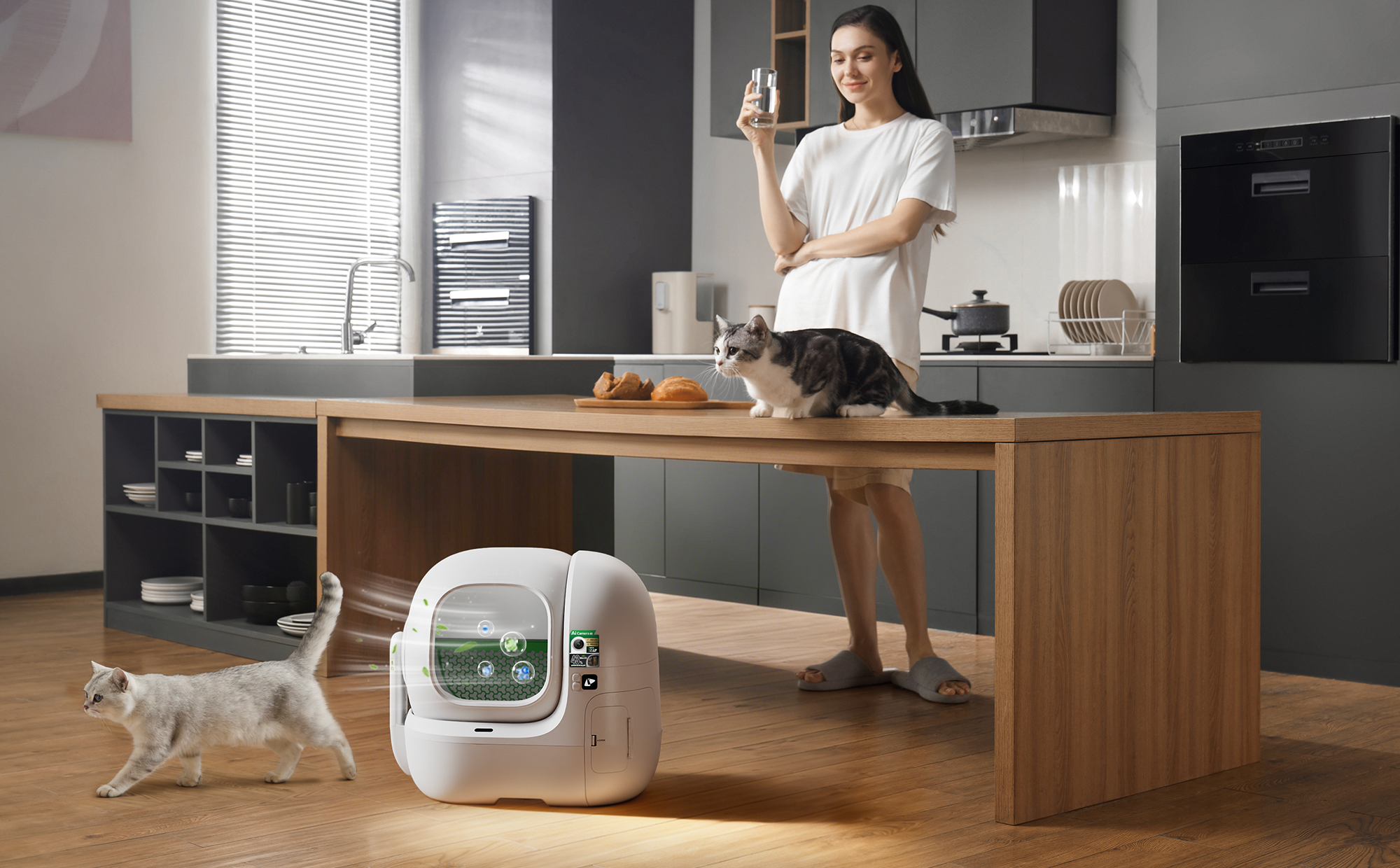
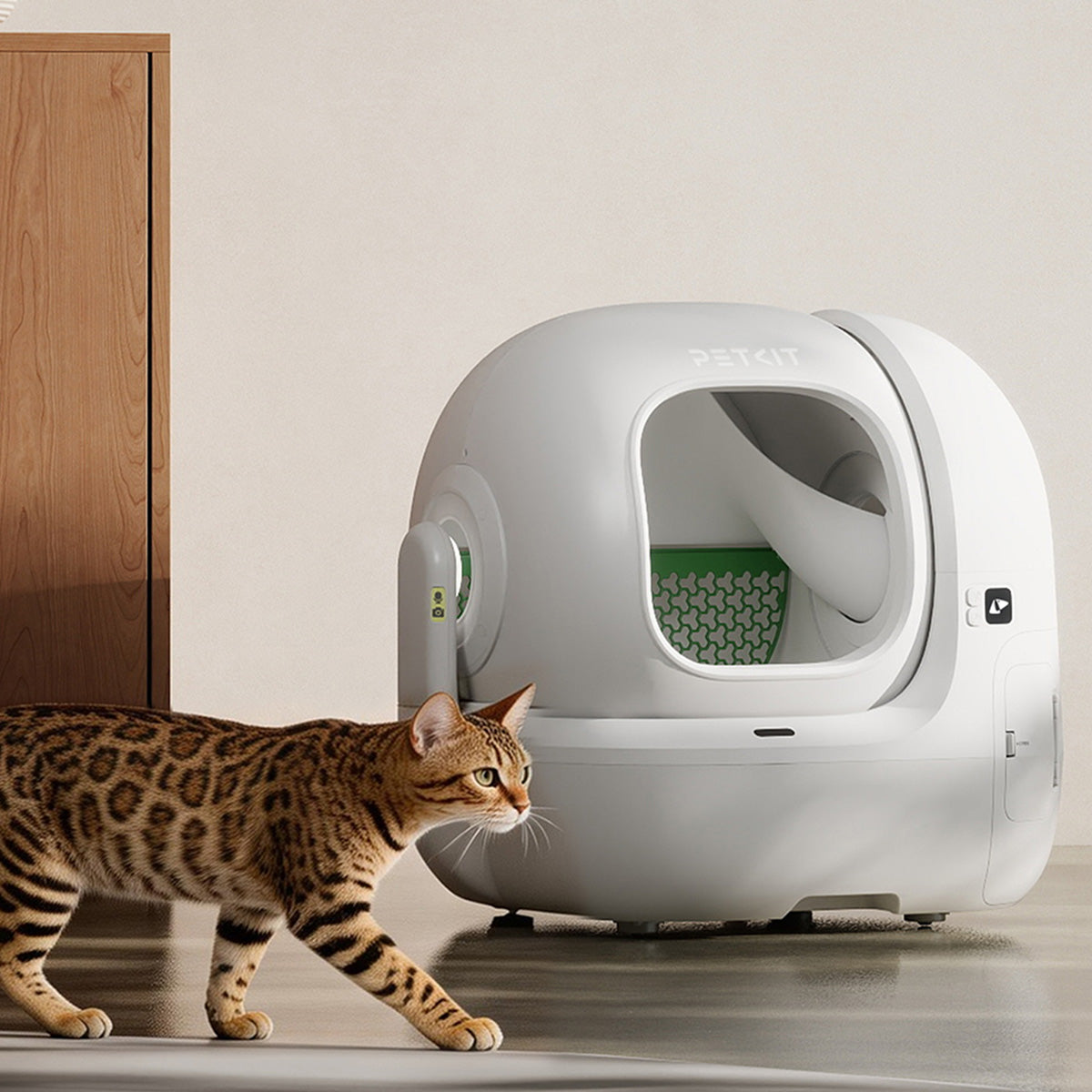
Designed exclusively for multi-cat households, the PETKIT PUROBOT ULTRA integrates five core advantages—spacious design, ultra-quiet operation, comprehensive safety, superior odor control, and AI health monitoring—to solve the unique litter box challenges of multi-cat families. Here's its standout value:
Key Advantages:
Bigger Space Design for Multi-Cat Homes
- The extra-large 70L interior comfortably accommodates cats of all sizes, including larger breeds. Its 10L waste bin allows a single cat to go up to 20 days without scooping.
- Supports up to 3 adult cats, with single-cat households enjoying up to 20 days of scoop-free use.
- Cats have ample space to stand, turn, and dig comfortably, reducing territorial disputes over litter box access.
Ultra-Quiet Operation for Sensitive Cats
- Operates at 36dB or below, quieter than a whisper, comparable to a soft fan.
- Cleaning cycles run smoothly without sudden noises, minimizing stress for cats and maintaining a calm home environment.
Robust Safety Design with Multi-Layer Protection
- The drum and waste bin form a continuous, smooth surface with no gaps or closing angles, eliminating pinch points even if sensors fail.
- The drum rotates along the X-axis while remaining open at all times, and the auto-pack system is positioned at the back, keeping cats fully safe during operation.
- Weight, hall, and approach sensors monitor the cat's presence continuously. If anything unusual is detected, the system stops immediately.
- Multiple safety mechanisms work together to ensure there is no single point of failure, keeping your cats fully protected at all times.
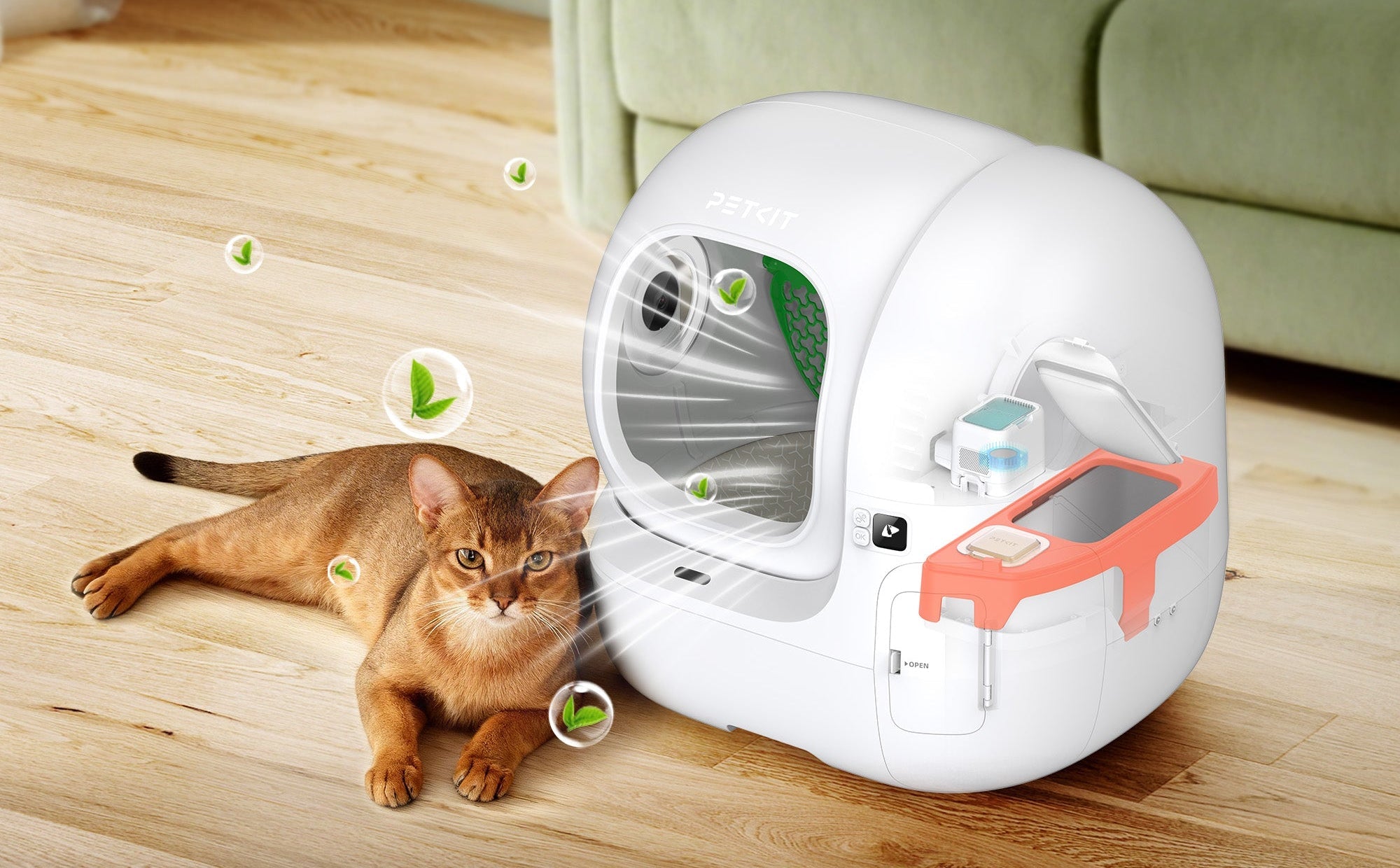
Superior Odor Control with 4-Stage Odor Block System
Full odor block system:
- Sealed trunk lid that locks in ammonia and other unpleasant smells.
- N60 Odor Eliminator: 96.2% Ammonia Removal (GMicro Testing) | 60-Day Freshness (PETKIT LAB)
- Auto-sealed bin door that prevents odor leakage between cleaning cycles.
- Leak-proof trash bags that further block odor escape.
Low Maintenance: Features auto-clean, auto-pack, and auto-bag functions, maintaining a fresh home environment with zero manual effort.
AI-Powered Health Monitoring
- The 180-degree rotating camera provides a full view from home to litter box, capturing each cat's activity and overall wellness.
- Stool and clump images are recorded after every use, helping detect early signs of constipation, diarrhea and other digestive or urinary issues.
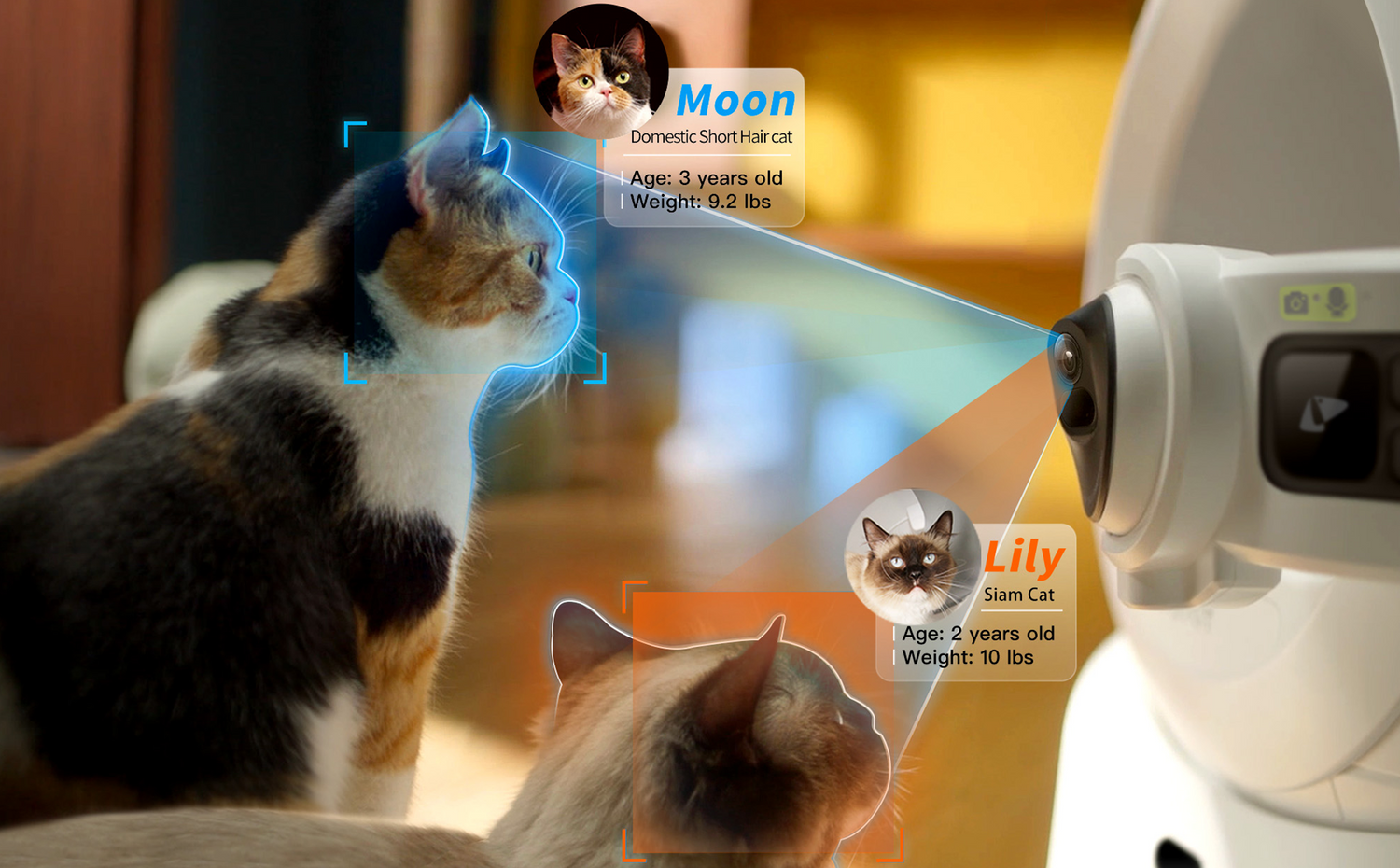
- Multi-cat facial recognition identifies each cat individually, ensuring accurate monitoring even in households with multiple cats of similar size.
- Provides detailed health insights, including usage frequency and waste condition, with real-time notifications via the PETKIT app, allowing separate tracking for each cat.
How to Get Your Cat to Use a New Automatic Litter Box?
Introducing an automatic litter box doesn't have to be stressful for your cats. With a gradual approach and a few simple adjustments, most cats can adapt comfortably. The steps below focus on minimizing stress and helping cats build confidence with the new setup.
Introduce the New Box Gradually
Cats rely heavily on routine, so a gradual introduction is key. Avoid forcing the transition or activating cleaning cycles too early.
- Place the automatic litter box next to the existing one so it becomes part of the familiar environment.
- Allow your cats to investigate it freely without pressure or encouragement.
- Give them 3–5 days to adjust to the new appearance and scent before expecting regular use.
Keep the Original Litter Box During the Transition
Do not remove the original litter box too soon. Keeping it available helps prevent anxiety and reduces the risk of accidents while your cats adjust. As your cats begin using the automatic litter box more consistently, you can gradually phase out the old box. If a cat avoids the new box entirely, keep both options available and give them more time before trying again.
Use Familiar Litter at the Start
Litter texture and scent play a major role in litter box acceptance. When first setting up the automatic litter box, use the same litter your cats already prefer. By keeping the litter consistent, cats only need to adapt to the new box itself rather than multiple changes at once, which helps make the transition smoother.
Making the Transition Easier in Multi-Cat Homes
Automatic litter boxes can significantly reduce daily maintenance and help maintain a cleaner, more consistent litter environment, especially in multi-cat households. While adjustment takes time, patience and gradual changes go a long way. Each cat adapts at a different pace, so avoid punishment for setbacks and focus on creating a calm, predictable routine. With the right approach, most cats will accept the new litter box as part of their daily habits.