




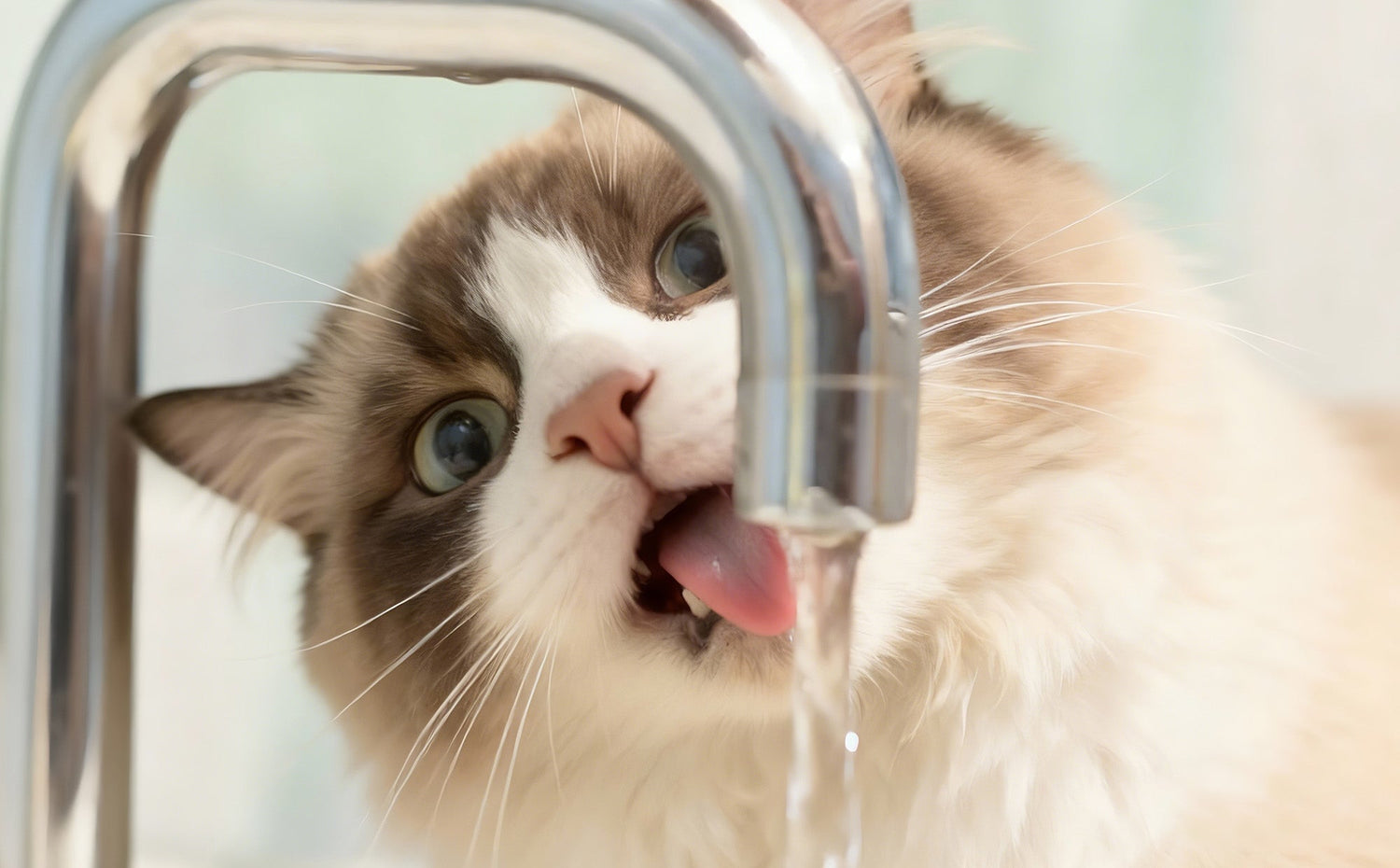
With the summer of 2026 around the corner, it’s the perfect time to start thinking about your cat’s hydration. As temperatures rise, keeping your cat properly hydrated becomes even more crucial.
Cats are famously independent—and often mysterious—especially when it comes to drinking water. Many cat owners notice that the water bowl stays full day after day and assume everything is fine. In reality, insufficient hydration is one of the most common and overlooked health risks for cats.
Proper hydration plays a critical role in urinary health, kidney function, digestion, circulation, and overall well-being. Understanding how much water your cat truly needs—and how to help them drink more—can make a meaningful difference to their long-term health.
Quick Answer: How Much Water Does a Cat Need Per Day?
Most cats need approximately 40–60 ml of water per kilogram of body weight per day.
For an average 4 kg (8.8 lbs) adult cat, that equals about 200–240 ml of total daily water intake, including moisture from food.
Why Proper Hydration Is Critical for Cats
Water makes up roughly 60–70% of a cat’s body and is essential for nearly every physiological process. Adequate hydration helps:
- Dilute urine and support urinary tract health
- Assist kidney filtration and waste removal
- Transport nutrients throughout the body
- Regulate body temperature
Cats are especially prone to dehydration due to their evolutionary background. Descended from desert‑dwelling ancestors, cats evolved to obtain most of their water from prey rather than from drinking. In modern indoor environments—particularly for cats eating primarily dry food—this weak thirst drive often works against them.
Chronic, low‑level dehydration may not cause obvious symptoms at first, but over time it can place stress on the kidneys, increase the risk of urinary issues, and reduce overall vitality.

How Much Water Should a Cat Drink Per Day?
Daily Water Intake by Weight (Quick Reference)
| Cat Weight | Approximate Daily Water Intake* |
|---|---|
| 3 kg (6.6 lbs) | 150–180 ml |
| 4 kg (8.8 lbs) | 200–240 ml |
| 5 kg (11 lbs) | 250–300 ml |
| 6 kg (13.2 lbs) | 300–360 ml |
*Total daily intake includes both drinking water and moisture from food.
Veterinary guidelines, such as those from the American Association of Feline Practitioners (AAFP) and World Small Animal Veterinary Association (WSAVA), recommend that cats consume 40–60 ml of water per kilogram of body weight per day as a general benchmark.
How to Calculate Your Cat's Daily Water Requirement
A cat’s hydration needs vary depending on several factors:
- Diet type (dry vs. wet food)
- Activity level
- Environmental temperature and humidity
- Age and overall health, especially kidney or urinary conditions
Because of these factors, there’s no single amount that applies to every cat. Instead, monitoring their hydration habits over time is the best approach.
Cat Water Intake Calculator (Simple Formula)
You can estimate your cat’s daily water needs using this simple method:
- Determine your cat’s weight in kilograms
- Multiply by 40–60 ml
Example: 4 kg × 50 ml ≈ 200 ml per day - Subtract water obtained from food
- The remainder should come from drinking water
This approach helps you assess whether your cat’s drinking behavior is generally sufficient or may need support.
Moisture Content in Cat Food
Food plays a significant role in hydration:
- Wet food: 70–80% moisture
- Dry food: 8–10% moisture
For example, an 85g can of wet food provides 60–70 ml of water, while dry food provides very little hydration. Cats eating primarily dry food are more prone to dehydration and should be encouraged to drink more water.
How Much Should My Cat Actually Drink Per Day?
It’s important to distinguish between total water intake and water consumed by drinking.
- Cats on wet food may drink less because they obtain water from meals
- Cats on dry food typically need to drink more to compensate
- Older cats and cats in warm climates often require additional fluids
Rather than focusing on a single number, it’s best to monitor patterns and consistency over time.
How Often Should a Cat Drink Water?
Healthy cats usually drink multiple small amounts throughout the day, rather than large volumes at once. A noticeable decrease in drinking frequency can be an early warning sign—even if the water bowl level looks unchanged.
Frequent access to fresh, appealing water encourages these natural drinking behaviors.
How to Tell If Your Cat Is Drinking Enough Water
Signs that hydration is adequate often include:
- Regular urination with light yellow urine
- Normal energy levels and appetite
- Good skin elasticity and moist gums
Conversely, reduced urine output, darker urine, lethargy, or dry gums may suggest insufficient hydration.
Why Monitoring Water Intake Is Important
Cats rarely show obvious signs of discomfort when something is wrong. Changes in drinking behavior often appear before other symptoms of illness.
Tracking daily water intake can help identify:
- Early kidney stress
- Urinary tract issues
- Sudden behavioral or health changes
Consistent monitoring provides valuable information that can be shared with a veterinarian if concerns arise.
Why Is My Cat Drinking a Lot of Water?
Increased water consumption can be influenced by:
- Hot weather or increased activity
- Diet changes (especially switching to dry food)
However, persistent or sudden increases may also be associated with medical conditions such as diabetes, kidney disease, or hyperthyroidism. Any sustained change in drinking behavior should be discussed with a veterinarian.
Why Is My Cat NOT Drinking Water?
Common reasons include:
- Naturally low thirst drive
- Unappealing water (stagnant, warm, or scented)
- Bowl placement near food or litter boxes
- Environmental stress or changes
Cats are highly sensitive to smell and freshness, making water quality and presentation especially important.
Is It Normal If My Cat Doesn’t Drink Water but Eats Wet Food?
In the short term, cats eating wet food may drink very little and still meet hydration needs. However, this balance can shift due to heat, illness, aging, or reduced appetite.
Even wet-fed cats benefit from easy access to fresh drinking water to prevent dehydration during periods of increased demand.
Signs of Dehydration in Cats
Early signs may include:
- Reduced appetite
- Lethargy
- Mildly dry gums
More serious signs include:
- Sunken eyes
- Persistent skin tenting
- Weakness or collapse
Severe dehydration requires immediate veterinary care.
How to Get a Cat to Drink More Water Naturally
Practical strategies include:
- Providing multiple water stations
- Cleaning bowls frequently
- Using stainless steel or ceramic containers
- Placing water in quiet, low-traffic areas
Small adjustments can significantly improve drinking habits.
Why Flowing Water Helps Cats Drink More
Cats instinctively associate moving water with freshness and safety. Flowing water:
- Reduces stagnation and odor
- Appeals to cats’ visual and auditory senses
- Encourages more frequent sipping
This is why many cats drink more consistently from fountains than from traditional bowls.
Supporting Healthy Hydration with Cat Water Fountains
While environmental changes and feeding choices play the primary role in hydration, some pet owners find that supportive tools like water fountains help encourage more consistent drinking habits.
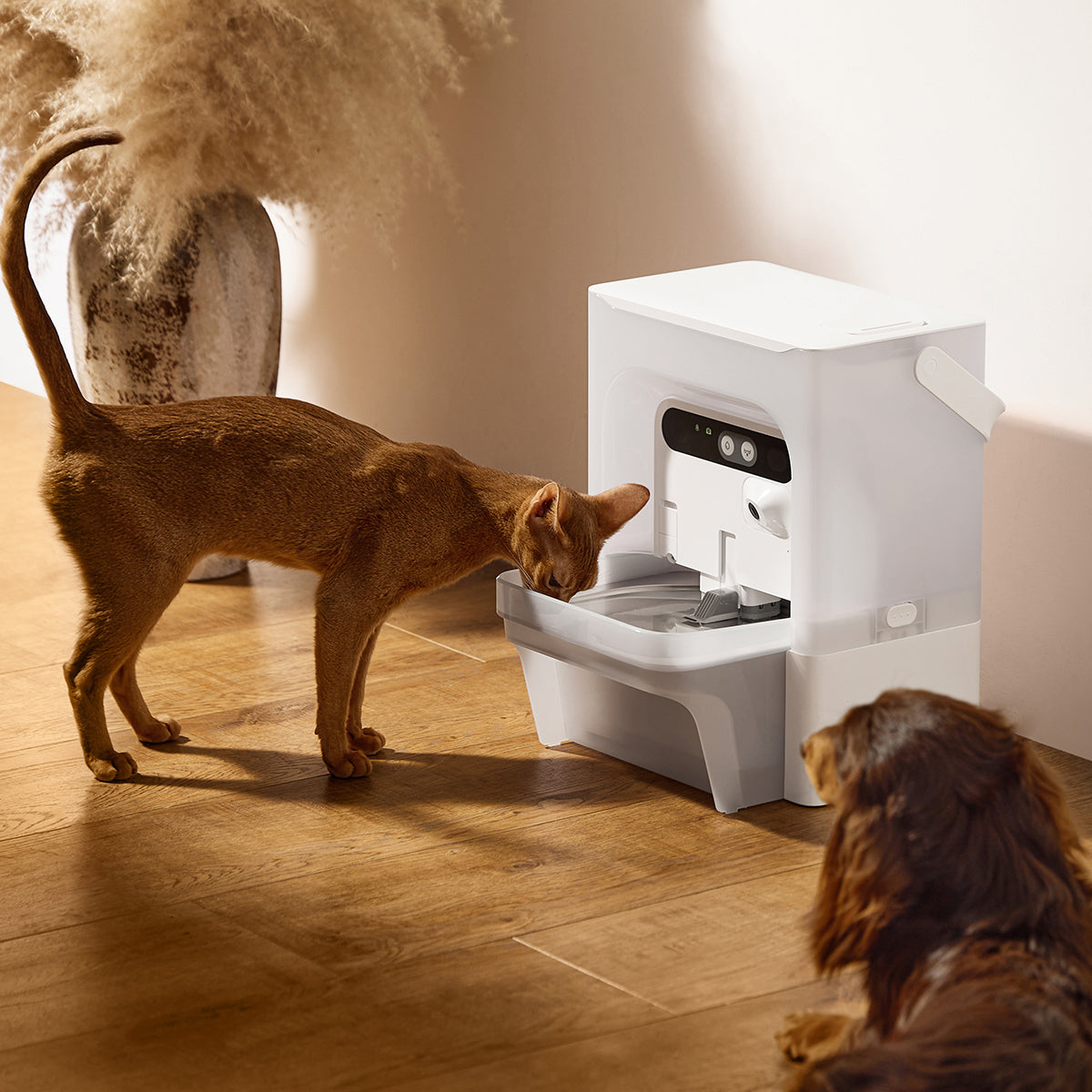
Modern cat water fountains combine flowing water with filtration and monitoring, helping address multiple hydration challenges at once. Features such as continuous circulation, clean materials, and intake tracking support both daily hydration and long-term health awareness.
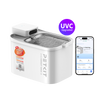
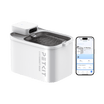
Meet The EverSweet Max 2 (UVC) Cordless Pet Water Fountain
Want to make sure your cat drinks enough every day? EverSweet Max 2(UVC) delivers it all!

Core Features:
- Sensor Mode & Flow Options: Detects your cat’s presence and activates a gentle stream. Continuous and intermittent flow modes mimic natural water movement to entice regular sips.
- Fresh & Clean Water: Stainless steel tray and upgraded carbon filter remove odors, chlorine, and impurities. For added hygiene, EverSweet Max 2 (UVC) features a UV wireless pump, providing an extra layer of purification.
- Smart Monitoring: Tracks daily drinking activity via the PETKIT App and provides gentle reminders, helping you stay informed about your cat’s hydration habits over time.
- Easy Maintenance: Dishwasher-safe, heat-resistant, removable parts for simple cleaning.
- Long-Lasting & Quiet: Up to 83 days of battery life with whisper-quiet 26dB operation.
- Cordless Convenience: Place anywhere in your home without worrying about cords or outlets.
- Generous Capacity: 3L reservoir reduces refill frequency for single or multi-cat households.
A Welcome Step Toward Healthy Hydration
Proper hydration is essential for your cat’s overall health, from supporting urinary and kidney function to keeping them active and happy. Making water appealing and easy to access can transform drinking from a chore into a natural daily habit.
Ready to keep your cat perfectly hydrated? Welcome EverSweet Max 2 (UVC) into your home and make fresh, flowing water effortless—peace of mind for you, healthy hydration for your cat.
Disclaimer: This article is intended for educational purposes only and does not replace professional veterinary advice. Always consult a licensed veterinarian if you notice sudden or persistent changes in your cat’s drinking behavior or health.